YouTube Growth
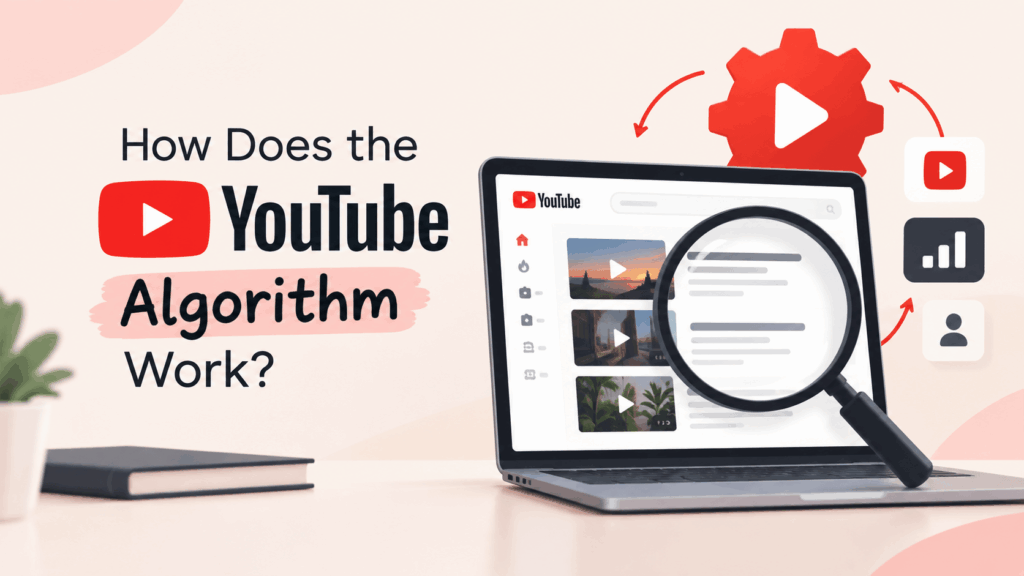
How Does the YouTube Algorithm Work?
Knowing how the YouTube algorithm functions is vital for anyone looking to build their YouTube channel. This algorithm affects the videos that get recommended, shown in the search results, and appear on the Home page, Suggested videos, and Shorts Feed.
However, it is worth keeping in mind that YouTube does not have a one-size-fits-all formula for ranking videos. This means that recommendations are personalized according to each viewer, their preferences, and their behavior when watching videos.
In this tutorial, we are going to tell you about the functioning of the YouTube algorithm as well as the things that YouTube creators can do in order to increase their chances of getting their videos discovered.
What Is the YouTube Algorithm?
The YouTube algorithm is a set of systems that helps match viewers with videos they are likely to watch and enjoy.
It considers signals such as:
- Watch history
- Search history
- Subscriptions
- Likes and dislikes
- Viewer feedback
- Video performance
- Viewer satisfaction
The goal is not simply to recommend videos with the highest number of views. Instead, YouTube tries to show each viewer content that is relevant and interesting to them.
How Does the YouTube Algorithm Work?
YouTube’s recommendation system mainly focuses on understanding what viewers want to watch and how they respond to videos.
Three important areas are:
1. Viewer Personalization
YouTube analyzes the behavior of a user. For instance, if a user often watches videos related to topics such as search engine optimization, digital marketing, or bettering YouTube performance, the website will suggest more recordings of the same type.
The site keeps track of the way a user has behaved in the past, including what videos they have watched, subscribed to, liked, or disliked.
2. Video Performance
YouTube also evaluates how viewers respond when a video is recommended.
Important areas include:
Appeal: Do viewers choose to click and watch?
Engagement: Do viewers continue watching?
Satisfaction: Did viewers enjoy or find value in the video?
A video that attracts clicks but quickly loses viewers may not perform as well as a video that successfully keeps its target audience engaged.
3. Topic Interest and Competition
Even a good video can have a different amount of traffic depending on the subject matter.
Some topics have a wider audience while others may be less demanded. Also, competition plays a major role as users have lots of videos to watch on the same topic.
Also Read: How to Grow a YouTube Channel Faster
How Does the YouTube Home Page Algorithm Work?
The main page of YouTube is tailored to the users.
YouTube relies on data like the watch history as well as prior interactions of an individual to analyze what kind of videos would suit the user.
For the creators, it doesn’t just mean that having loads of followers and subscribers is enough for a video to be featured on the main page since if the video corresponds to the viewer’s interests and is appreciated by those watching it, the potential reach can be huge.
How Does the Suggested Videos Algorithm Work?
Suggested Videos appear alongside or after the video a viewer is currently watching.
YouTube considers the video being watched and the viewer’s individual viewing behavior when selecting recommendations.
Creating related videos can therefore be useful.
For example, if you publish:
How to Create YouTube Thumbnails
you could create another video called:
10 YouTube Thumbnail Mistakes to Avoid
Related videos give interested viewers more opportunities to continue watching your content.
How Does YouTube Search Ranking Work?
YouTube Search, on the other hand, functions in a somewhat different manner.
Whenever a user conducts a search on YouTube, the algorithm takes into account the relevance of the video to the request taking into account the title, description, and content of the video, the engagement of people who click on it, etc.
This is why keyword research and clear titles are important for YouTube SEO.
For example:
Less specific:
“My YouTube Tips”
More specific:
“How to Grow a YouTube Channel From 0 Subscribers”
The second title clearly communicates the topic and search intent.
How Does the YouTube Shorts Algorithm Work?
YouTube Shorts are recommended through a personalized Shorts Feed.
The system considers what viewers are likely to enjoy and how they respond to Shorts.
For Shorts creators, the opening seconds are particularly important because viewers can quickly swipe to another video.
Focus on:
- A strong opening
- Clear and fast-paced content
- A relevant topic
- Good viewer retention
- An engaging ending
You don’t need to make every Short viral. Instead, focus on consistently creating content that your target audience wants to watch.
Does Watch Time Matter on YouTube?
Indeed, the watch time can be an important signal of performance, but it is not the only parameter.
YouTube also evaluates metrics like average view duration and average percentage of the video watched. For example, prolonging a video for no reason is not sufficient for improving the performance of the video.
A shorter video that keeps the viewers engaged can be more effective than the video that is very long and boring for the audience. The goal should be to make the video as long as it is necessary to get value from it instead of making it long for the purpose of increasing watch time.
Does Click-Through Rate Affect YouTube Algorithm?
Click-through rate (CTR) shows how often viewers click on a video after seeing its thumbnail and title.
A strong thumbnail and title can encourage viewers to click, but clicks alone aren’t enough.
If people click because of a misleading title and then leave quickly, the video may not provide a good viewer experience.
Instead of using clickbait, create titles and thumbnails that are:
- Clear
- Relevant
- Interesting
- Accurate
Your thumbnail should create curiosity while still matching the actual video.
Also read: Best Free Video Editors for PC, Mac & Mobile
How to Create Videos the YouTube Algorithm Likes
Rather than trying to “hack” the algorithm, focus on creating videos that viewers genuinely want.
Choose the Right Topics
Research your audience before creating content. You can use YouTube search suggestions, competitor research, analytics, and common audience questions to find topics.
Create Strong Titles
Make your title clear and compelling.
For example:
“7 YouTube Growth Tips for New Creators”
is more informative than:
“My YouTube Tips.”
Improve Your Thumbnails
Your thumbnail should quickly communicate the video’s main idea. Use simple visuals and readable text instead of overcrowding it with information.
Hook Viewers Early
Avoid long introductions. Tell viewers what the video is about and give them a reason to keep watching.
Keep Content Engaging
Use examples, demonstrations, storytelling, visuals, and clear explanations to maintain attention.
Use YouTube Analytics
Check your analytics to understand how viewers respond to your content.
Important metrics include:
- Impressions
- CTR
- Average view duration
- Audience retention
- Traffic sources
- Returning viewers
Use these insights to improve your future videos.
Common YouTube Algorithm Myths
Myth 1: YouTube Only Promotes Big Channels
Not necessarily. YouTube recommendations are personalized, and smaller channels can reach new audiences when their videos match viewer interests.
Myth 2: You Must Upload Every Day
Daily uploads are not required for growth. A consistent schedule that allows you to maintain quality is more practical.
Myth 3: One Bad Video Ruins Your Channel
One underperforming video does not automatically mean your entire channel will stop getting recommendations.
Myth 4: More Views Always Mean Better Ranking
Views are important, but YouTube also considers viewer behavior, relevance, engagement, and satisfaction.
Conclusion
The purpose of the YouTube algorithm is to connect the potential viewers with such videos that they will enjoy. It evaluates user preferences, previous videos, returns, and searches.
For content creators, the recommended attitude is very simple:
Produce the content that people will be interested in watching, create a title and cover which will capture the users’ attention, and place a valuable content in the video.
Instead of looking for any miraculous technique that would work with the algorithm, it is better to get acquainted with the audience and analyze the statistics provided by YouTube Analytics.